





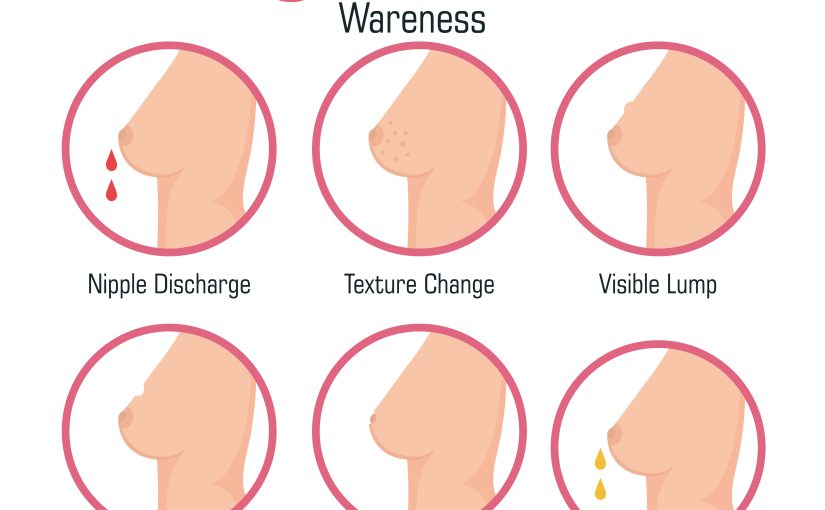
Risk factors for breast cancer are often associated with elements beyond our personal control, such as family history, genetic mutations like BRCA1 and BRCA2, or aging. Because of this focus, many individuals overlook the substantial lifestyle factors that directly influence breast health. Research in oncology shows that a significant percentage of breast cancer cases can be linked to modifiable lifestyle choices. Understanding these controllable factors empowers you to take proactive steps toward prevention and long-term wellness.
Understanding Controllable vs. Non-Modifiable Risks
Breast cancer risk factors generally fall into two categories:
- Non-Modifiable Factors: Age, biological sex, genetic background, dense breast tissue, and reproductive history.
- Modifiable Factors: Daily health habits, physical activity levels, dietary choices, body weight, alcohol consumption, and exposure to hormones.
While non-modifiable factors establish a baseline risk, modifiable factors determine how that risk manifests over time.
BREAST CANCER RISK FACTORS
|
+————————+————————+
| |
[Non-Modifiable Risks] [Modifiable / Controllable]
- Genetics (BRCA1/2) • Excess Body Weight
- Family History • Alcohol & Tobacco
- Age & Gender • Physical Inactivity
- Dense Breast Tissue • Prolonged HRT Use
5 Overlooked Breast Cancer Risk Factors You Can Control
1. Post-Menopausal Weight Gain and Adipose Tissue
Carrying excess body weight — particularly after menopause is one of the most significant yet overlooked controllable risk factors. Before menopause, ovaries produce the majority of estrogen. After menopause, fat tissue (adipose tissue) becomes the primary source of estrogen production. Higher estrogen levels can stimulate breast tissue growth and increase cellular mutation risks.
2. Regular Alcohol Consumption
Alcohol intake is directly linked to an increased risk of developing breast cancer. Even moderate drinking—defined as one drink per day—can elevate risk levels. Alcohol alters how a woman’s body metabolizes estrogen and damages cellular DNA through toxic byproducts like acetaldehyde.
3. Sedentary Lifestyle
Physical inactivity contributes to elevated insulin levels, chronic systemic inflammation, and excess circulating estrogen. Engaging in consistent physical activity helps regulate hormone balances, boosts immune function, and assists with weight management.
4. Combined Hormone Replacement Therapy (HRT)
Long-term use of combined estrogen and progesterone therapy during menopause can increase breast cancer risk. The risk generally decreases after discontinuing treatment, making it crucial to discuss non-hormonal or short-term alternatives with your healthcare provider.
5. Shift Work and Disrupted Circadian Rhythms
Prolonged night-shift work disrupts natural melatonin production, a hormone involved in sleep regulation and antioxidant defense. Reduced melatonin levels may alter estrogen production pathways and elevate risk over extended periods.
Proactive Steps to Reduce Your Risk
| Lifestyle Habit | Recommended Action | Health Benefit |
| Physical Activity | 150+ minutes of moderate aerobic exercise weekly | Lowers circulating estrogen & insulin |
| Dietary Pattern | Mediterranean-style diet rich in fiber and antioxidants | Reduces systemic inflammation |
| Alcohol Intake | Limit to occasional use or avoid entirely | Prevents DNA damage & hormonal spikes |
| Weight Management | Maintain a healthy BMI, especially post-menopause | Limits estrogen production in fat cells |
Comprehensive Care with a Breast Cancer Doctor in Ahmedabad
While adopting healthy lifestyle choices reduces overall risk, routine screenings and clinical evaluations remain vital for early detection and peace of mind. Regular self-breast exams, clinical screenings, and mammograms ensure any subtle changes are identified early when treatment is most effective.
Consulting an experienced Breast cancer doctor in Ahmedabad provides tailored risk assessments, advanced screening protocols, and expert preventative care.
At Oncowellcancerhospital, patients receive compassionate, multidisciplinary oncological care tailored to individual health profiles. The clinical team emphasizes comprehensive cancer prevention, accurate diagnostic imaging, and individualized treatment planning to ensure optimal patient outcomes.
To learn more about screening options or schedule a consultation, visit Oncowellcancerhospital.
Frequently Asked Questions (FAQs)
Can regular exercise reduce breast cancer risk even if I have a family history?
Yes. While a family history increases baseline risk, maintaining an active lifestyle helps lower circulating hormone levels, manages body weight, and reduces systemic inflammation—offering significant protective benefits regardless of genetic predisposition.
How does alcohol consumption specifically affect breast cancer risk?
Alcohol elevates estrogen levels in the body and produces toxic compounds when metabolized, which can directly damage DNA in breast cells. Reducing or eliminating alcohol intake lowers these physiological triggers.
At what age should I start routine breast cancer screenings?
Women with average risk should begin annual or biennial mammograms around age 40. However, if you have a strong family history or known genetic risk factors, consult a specialist early to establish a personalized screening schedule.