





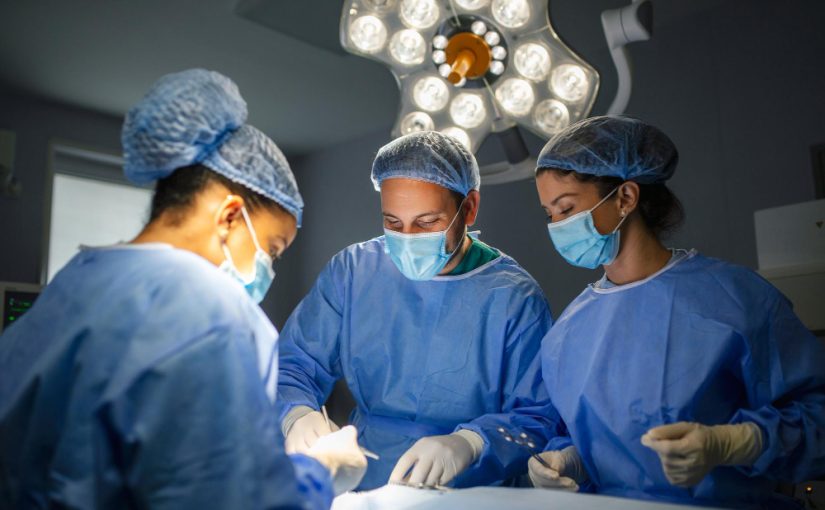
Surgical advancements in the past decade have revolutionized recovery times of patients. A breast cancer diagnosis can be an extremely busy time. You will likely be bombarded with new terminology, appointments and some major decisions. If you are being recommended for a Sentinel Lymph Node Biopsy (SLNB) by your surgical team, it is normal to feel overwhelmed by what it all means.
However, this operation is one of the most incredible milestones within modern surgical oncology. This highly accurate operation allows for a minimally invasive diagnostic test to be completed, in answer to the question – ‘Has your cancer started to spread?’?
By knowing how this operation works, why we do it and how it helps to improve your long term quality of life; you can have peace of mind when going into surgery.
Understanding the Lymphatic System
To understand why your biopsy was carried out, we need to understand how breast cancer spreads. The lymphatic system is made up of a network of small tubes and bean shaped structures (nodes) which carry fluid around your body and help fight infection.
When breast cancer cells spread from the primary tumour, most of the time they will have travelled through this fluid. Most breast cancers will initially spread to a group of lymph nodes under your armpit, also known as the axillary lymph nodes.
In the past, lots of these underarm nodes would be removed in a procedure called an Axillary Lymph Node Dissection simply to find out if the cancer had spread. Whilst this helped us stage the cancer it often caused serious long term side effects.
What is special about the ‘Sentinel’ node?
The Sentinel Lymph Nodes are like a gateway. They are the very first nodes (or group of 2 or 3 nodes) to drain fluid from the tumor site.
If cancer cells have not got to this first gateway node then it is highly unlikely they will skip over it and get into the other nodes. Therefore;
If your Sentinel node(s) do not have any cancer then you can be assured that your other lymph nodes in your underarm can remain in place.
What happens during the procedure?
Lymph node biopsy is usually done at the same time as your breast operation. This may be either breast conserving surgery (lumpectomy), or mastectomy. The procedure consists of:
Injecting tracing substance – Just before, or during your operation a small amount of a tracing substance is injected into the area close to your tumour or nipple by the specialist. The tracing substance can include a harmless radioactive substance or special blue dye/liquid.
The lymph vessels in your body will take up the tracing substance. It will follow the natural pathway of the cancer cells and highlight the sentinel node.
Removing the node/s – The surgeon will then use a handheld detector or visual aid to locate exactly which node/s have taken up the tracing substance. A small incision is made under the armpit and only the exact nodes are removed.
These nodes are sent to a pathologist straight away. They will look at them using a microscope to see if any cancer cells are present.
Major Benefit – Quality of Life
Removing only a few lymph nodes rather than many is a huge win for the patient! The major benefit of an SLNB is the significant reduction in risk of lymphedema.
This is a long term issue caused by the build up of lymphatic fluid in the arm. This can cause pain, tightness and limited movement. As the Sentinel Biopsy will leave the majority of your armpit drainage system intact, the risk of developing lymphedema is reduced from about 20-30% to <5%.
You will also have significantly less pain after surgery, less seroma (fluid collection) and a quicker return to normal arm movements.
How does this affect my treatment?
This important part of staging your cancer comes from the results of your biopsy. If you have:
Negative result (clear nodes): This is great news! It means that your cancer is only in the breast and there are no further nodes to remove. You can now focus on preventing a local recurrence with your systemic treatment.
Positive result (cancer present): If the sentinel node contains cancer cells this means that the cancer has started to spread. The amount of cancer cells in the node (micrometastasis vs macrometastasis) and type of breast cancer you have will determine if further nodes need to be removed, targeted radiotherapy to the armpit or systemic treatment such as chemo to destroy any microscopic cells.
Empowering Your Journey
Modern breast cancer surgery is designed to be as precise as possible while minimising disruption to your lifestyle. Sentinel Lymph Node Biopsy is an excellent example. This procedure will give your medical team the precise information they need to save your life whilst preserving the function of your arm and body. Visit the best breast cancer doctor in Ahmedabad today!
Frequently Asked Question:
Q1. How long does the Sentinel Lymph Node Biopsy take?
A1: It only really adds an extra about 15-30 mins to your main breast surgery (lumpectomy or mastectomy) at Oncowell Cancer Hospital.
Q2. Does it leave another scar?
A2: It will usually leave you with a very small extra scar. This is because the surgeon will usually make a small incision (1-2 inches) into the fold of your armpit.
Q3. How many lymph nodes are they taking?
A3: Usually only between 1-4 nodes are taken. Only the specific gatekeeper nodes are taken which show up on the mapping.