




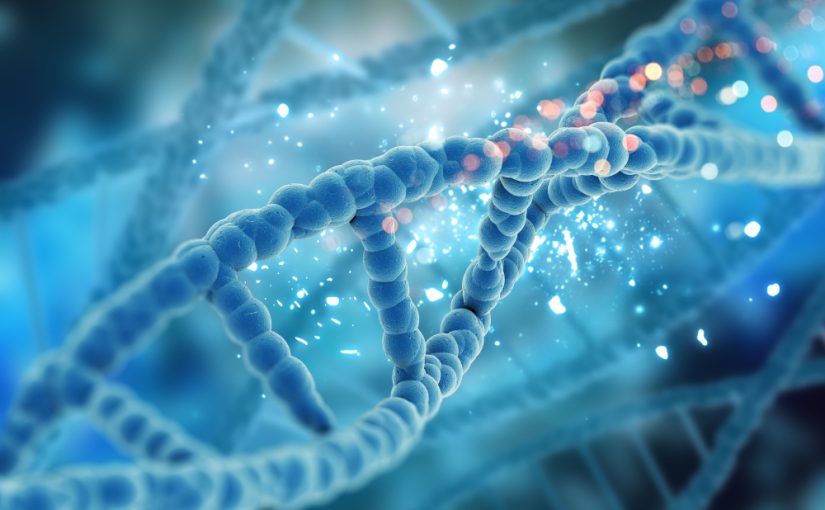
The incidence of breast cancer has been increasing worldwide and more prominently in women who are under the age of fifty. Even though awareness drives generally encourage women to assess their risks by looking at their family history, genetics is not everything here. In considering the risk for breast cancer, there are three pillars of significance that stand out: Food, Genes, and the Environment. Advances in research at prestigious medical institutions, such as the Silent Spring Institute, reveal that it is the interaction of these three things that determines our future well-being. Visit your nearest breast cancer doctor in Ahmedabad today!
The Blueprint: Genes and Genetics Realities
When one talks about breast cancer, the first thing that comes into their minds is DNA. The gene mutations, especially in the BRCA1 and BRCA2 genes, have been well-documented to be strong accelerators. Having mutations in the DNA repair genes greatly affects one’s lifetime risk for developing this disease. However, scientific studies have revealed a shocker in the fact that hereditary high-risk genes are responsible for less than 5 to 10 percent of breast cancers. Most of the diagnoses are found among women who do not have any family history whatsoever.
Cancer research in this day and age has a large emphasis on epigenetics environmental factors that act as switchers to turn on and off specific genes without changing the DNA sequence.
Environmental Trigger: Quality of Environment and Chemicals
The other trigger for breast cancer is perhaps the one that is the most disturbing and emerging at an unprecedented pace. Several chemicals used regularly have been found by scientists to be functioning as “mammary carcinogens” or “endocrine disrupters”. The mammary gland is particularly susceptible to these chemicals during certain “windows of susceptibility” which occur at various stages of female development such as fetal development, puberty, pregnancy, and menopause.
The environmental influences that have gained a lot of attention include:
- Endocrine Disrupting Chemicals (EDCs): Widespread chemicals such as Bisphenol A (BPA), phthalates, and some parabens present in plastics and personal care cosmetic products are known for mimicking estrogen in the body. The binding of these chemicals to receptors leads to unexpected cell division.
- Pesticides and Agricultural Runoff: Research published by peer reviewed publications has revealed that there are several hundred compounds present in normal pesticides that could lead to mammary tumors in animals. Some of these compounds make their way into our food and water without us realizing it.
- Air Pollution (PM2.5): Several large scale cohort studies have revealed that long term exposure to particulate matter from industries and traffic results in an increased risk of developing breast cancer.
The Verdict: How You Can Protect Yourself
It is true that we cannot re-write our genetics, but we can completely change our environment both inside and outside the body. Breast cancer prevention must be holistic, focusing on our diet and exposure in our environment as follows:
- Eat the “Planetary Health” or Mediterranean Style Diet: Plan a diet rich in raw veggies, fruits, beans, and omega-3 fats. Eliminate red meat and highly processed sugars from your diet.
- Keep a Tab on Your Daily Environment: Use glass or stainless steel containers in place of plastic containers while heating foods. Look at the labels of cosmetics and detergents, making sure not to use products with synthetic fragrances, parabens, and phthalates. Apps such as Detox Me give an easy way out to minimize our toxic load.
- Get Moving and Keep Your Drinking Down: Exercise 150-300 minutes per week at moderate intensity. Since alcohol impacts hormone levels in the body, cutting down on alcohol is one of the most effective preventive measures you can take.
Conclusion
Though genetic tendencies create a basic foundation, they don’t set a fate because everyday routines and environment make an important contribution to preventing breast cancer. At Oncowell Cancer Hospital, we encourage taking active steps such as maintaining a proper diet, avoiding alcohol, and eliminating harmful toxins to support better overall health.