




• +91- 8488003044
  • Deodorant, Underwired and Diet: 3 Breast cancer facts You should know!

    Breast cancer is one of the most discussed health concerns among women, but many common beliefs about its causes can create unnecessary fear. Questions about deodorants, underwired bras, and daily eating habits often lead to confusion. Understanding what scientific research actually says can help women make informed decisions about their health.

    At Oncowell Breast Cancer, raising awareness about breast health and encouraging timely medical consultation are important steps towards better outcomes. Let’s look at three common breast cancer concerns and separate myths from facts.

    1. Do Deodorants Increase the Risk of Breast Cancer?

    One widespread belief is that using deodorants or antiperspirants, particularly those containing aluminium compounds or parabens, can cause breast cancer. This concern often arises because these products are applied to the underarm area, close to the breasts.

    However, current scientific evidence does not establish a link between deodorant or antiperspirant use and breast cancer. Research reviewed by the American Cancer Society and the National Cancer Institute has not found convincing evidence that these products increase breast cancer risk.

    It is useful to understand the difference between the two products. Deodorants help control body odour, while antiperspirants reduce sweating. Some antiperspirants contain aluminium-based ingredients that temporarily block sweat ducts. Although researchers have investigated whether certain ingredients might affect breast tissue, a causal relationship with breast cancer has not been demonstrated.

    There is generally no need to stop using deodorant solely because of breast cancer concerns. However, if a product causes skin irritation, discontinue it and consider seeking medical advice.

    One practical point to remember is that patients are often advised to avoid deodorants and antiperspirants before a mammogram because some ingredients can appear as small white spots on the images and interfere with interpretation.

    2. Can Wearing an Underwired Bra Cause Breast Cancer?

    Another common myth suggests that underwired bras compress breast tissue, restrict lymphatic drainage, or cause harmful substances to accumulate in the breasts.

    Scientific evidence does not support the claim that underwired bras cause breast cancer. Research has not established that bra type, including underwired or non-underwired styles, increases breast cancer risk.

    A bra’s main purpose is to provide support and comfort. Choosing the right size is important because an ill-fitting bra may cause discomfort, skin irritation, shoulder pressure, or pain. These problems can be addressed by selecting a better-fitting style, but they should not be confused with cancer risk.

    Women do not need to avoid underwired bras out of fear of breast cancer. Instead, they should focus on breast health, understand their individual risk factors, and seek medical advice if they notice any unusual changes.

    It is also important to remember that breast cancer can affect women who wear any type of bra, as well as those who rarely wear one. The type of bra worn is not a reliable indicator of breast cancer risk.

    3. Does Your Diet Increase or Reduce Breast Cancer Risk?

    Diet is an important part of overall health, but no single food has been proven to prevent breast cancer completely. Similarly, eating a particular food does not automatically mean a person will develop the disease.

    Research suggests that lifestyle factors can influence breast cancer risk. Maintaining a healthy weight, staying physically active, limiting alcohol consumption, and following a balanced eating pattern may help support long-term health and reduce certain risk factors.

    A balanced diet can include vegetables, fruits, whole grains, pulses, nuts, and other nutritious foods. Limiting processed foods and avoiding excessive calorie intake can also help with weight management. These habits are beneficial for general health, although no specific diet guarantees protection against breast cancer.

    It is equally important not to rely on supplements, detox diets, or unverified remedies that claim to prevent or treat cancer. Anyone considering major dietary changes during cancer treatment should discuss them with their treating medical team.

    If you are concerned about breast health or have noticed unusual symptoms, consulting a Breast cancer doctor in Ahmedabad can help you understand the appropriate next steps. A qualified specialist can assess your symptoms, family history, and personal risk factors and recommend further evaluation when necessary.

    When Should You Consult a Breast Cancer Specialist?

    Although deodorants, underwired bras, and individual foods are not established direct causes of breast cancer, recognising potential warning signs is essential. Contact a healthcare professional if you notice a new breast lump, changes in breast shape or size, skin dimpling, nipple inversion, unusual nipple discharge, or persistent unexplained breast changes.

    These symptoms do not always indicate cancer, but they should not be ignored. Depending on your age, symptoms, and medical history, a doctor may recommend a clinical examination, imaging tests, or a biopsy.

    People with a strong family history of breast or ovarian cancer may also benefit from an individual risk assessment. Regular screening recommendations depend on age, personal risk, and local medical guidance.

    Oncowell Breast Cancer encourages women to seek reliable medical information rather than relying on social media rumours. Early evaluation of suspicious changes can help ensure that appropriate diagnosis and treatment are not delayed.

    Conclusion

    Deodorants, underwired bras, and diet are often surrounded by breast cancer myths. Current evidence does not show that deodorant use or underwired bras cause breast cancer, while healthy dietary and lifestyle habits can support overall well-being and may help reduce certain risks.

    The most important steps are to understand your personal risk, follow appropriate screening advice, and seek medical attention for unusual breast changes. Reliable information and timely consultation are far more useful than worrying about everyday products without scientific evidence.

     

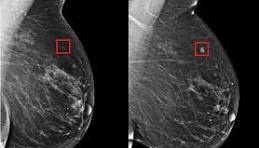
    What Are the Early Warning Signs of Breast Cancer?

    Early Warning signs of breast cancer can sometimes be subtle and may not always cause pain. Being aware of changes in the breast can help individuals seek medical advice at the right time. Although many breast changes are not cancerous, unusual or persistent symptoms should be evaluated by a qualified healthcare professional.

    Early Warning Signs of Breast Cancer

    1. A New Lump in the Breast or Underarm

    One of the most commonly recognized signs of breast cancer is a new lump or thickened area in the breast or underarm. A cancerous lump may feel hard, irregular, or different from the surrounding breast tissue. However, not every lump is cancerous, so proper medical evaluation is important.

    2. Changes in Breast Size or Shape

    Unexpected changes in the size, shape, or appearance of one breast compared with the other may require attention. While some natural differences are normal, a sudden or unexplained change should not be ignored.

    3. Changes in the Skin

    Changes in the skin over the breast can sometimes be an early warning sign. These may include redness, swelling, irritation, dimpling, or skin that appears unusually thick or textured. Persistent changes should be assessed by a doctor.

    4. Nipple Changes or Unusual Discharge

    Changes involving the nipple can include inward turning of the nipple, persistent pain around the nipple, scaling, or unusual discharge. Bloody or spontaneous nipple discharge, especially from one breast, should be evaluated promptly.

    5. Persistent Breast Pain or Discomfort

    Breast cancer does not always cause pain, but persistent or unusual discomfort should still be discussed with a healthcare professional. Breast pain can have many causes, including hormonal changes and benign conditions, so an appropriate examination is necessary to determine the cause.

    6. Swelling Around the Breast or Underarm

    Swelling in the breast, underarm, or area around the collarbone may sometimes be associated with changes in the lymph nodes. If swelling persists without an obvious cause, consulting a specialist is advisable.

    When Should You Consult a Breast Cancer Doctor in Ahmedabad?

    Not every breast change indicates cancer. However, it is important to seek medical attention when a lump, skin change, nipple change, discharge, or other unusual symptom persists or appears suddenly.

    A Breast cancer doctor in Ahmedabad can evaluate your symptoms, perform a clinical examination, and recommend appropriate diagnostic tests when necessary. Early evaluation can help identify breast cancer at an earlier stage and may provide more treatment options.

    Why Early Detection Matters

    Early detection plays an important role in breast cancer care. Finding cancer before it has progressed significantly may make treatment more manageable and can improve outcomes for many patients. Depending on the individual’s symptoms and medical history, doctors may recommend tests such as mammography, ultrasound, breast MRI, or a biopsy.

    At Oncowellcancerhospital, patients can seek professional guidance for breast-related concerns, diagnosis, and cancer care. Consulting a qualified specialist can help patients understand their condition and make informed decisions about the next steps.

    What Should You Do If You Notice a Breast Change?

    If you notice an unusual change, avoid self-diagnosing or delaying evaluation. Make a note of when the change started and whether it is getting worse or remaining persistent. A healthcare professional can determine whether further examination or testing is required.

    Regular breast awareness and recommended screening can also help individuals recognize changes early. People with a higher risk of breast cancer may require a personalized screening plan based on their age, family history, and other risk factors.

    Conclusion

    Recognizing the Early Warning signs of breast cancer can encourage timely medical evaluation. A new lump, unexplained breast or nipple changes, skin abnormalities, unusual discharge, or persistent swelling should not be ignored. While these symptoms can occur because of conditions other than cancer, professional evaluation is the best way to understand their cause.

    If you notice a concerning breast change, consulting a qualified Breast cancer doctor in Ahmedabad can help you receive appropriate evaluation and guidance. Oncowellcancerhospital provides patients with access to professional cancer-care support and information to help them take the next step with greater confidence.

    Frequently Asked Questions

    1. What is the most common early warning sign of breast cancer?

    A new lump or thickened area in the breast or underarm is one of the most commonly recognized signs. However, breast cancer can also present with skin, nipple, or breast-shape changes.

    2. Does breast cancer always cause pain?

    No. Breast cancer does not always cause pain, particularly in its early stages. Any persistent or unusual breast change should be evaluated rather than relying on pain as an indicator.

    3. When should I see a Breast cancer doctor in Ahmedabad?

    You should consider consulting a Breast cancer doctor in Ahmedabad if you notice a new lump, unexplained breast or nipple changes, unusual discharge, skin changes, or persistent swelling. A doctor can determine whether further testing is needed.

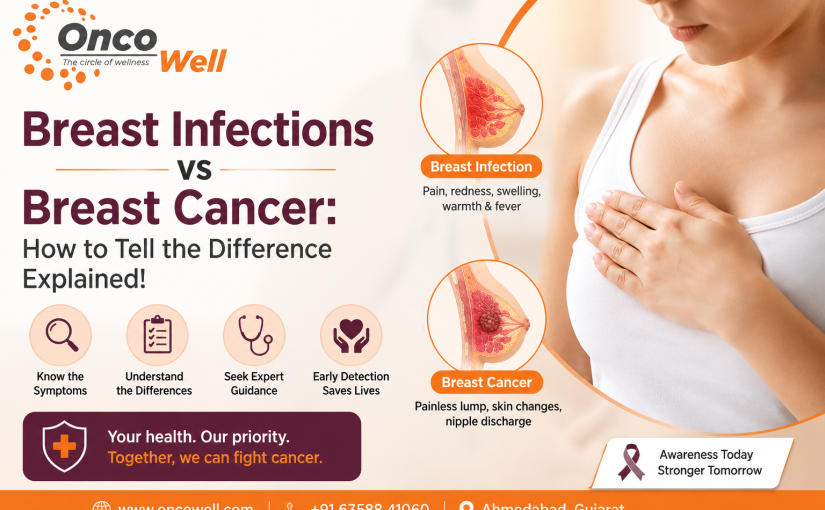
    Breast Infections vs Breast Cancer: How to Tell the Difference

    Why It’s Easy to Confuse Breast Infections and Breast Cancer

    For many women, breast-related issues can trigger anxiety. Painful lumps, swelling, or redness may cause fears of cancer. Although not all breast changes indicate cancerous conditions. Sometimes, infections can cause such symptoms. Understanding the difference between the causes will help a patient receive appropriate treatment when needed. A visit to an Breast cancer doctor in Ahmedabad may provide answers whenever a patient experiences unusual or persistent symptoms.

    Understanding Breast Infections

    Infections of the breast occur when bacteria invade the tissue and lead to swelling. They typically appear among breastfeeding women; however, women of any age can develop this disorder.

    The most recognizable symptoms of such infections are:

    • Pain in the breast
    • Inflammation in a certain area
    • Agitated breast skin
    • Temperature above normal

    Breast infections develop much quicker than cancer and come with signs of disease.

    Understanding Breast Cancer

    Breast cancer occurs due to the rapid development of abnormal cells in the breast tissue. Breast cancer usually takes a long time to progress and thus reinforces the importance of seeing a doctor for regular breast screenings.

    There are also several warning signs of breast cancer, including:

    • Presence of a lump for several weeks
    • Change in breast shape
    • Dimpling of the skin
    • Discharge from the nipple
    • Inverted nipple
    • Thickened breast skin

    Many breast cancer cases in the early stages do not present symptoms relating to pain, which makes the importance of routine screenings clear.

    Breast Infection vs Breast Cancer: Major Differences

    Development Speed
    An infection can develop in just a matter of days and become painful soon afterwards. In contrast, cancer usually develops over a longer period of time.

    Fever and Disease
    Fever is usually linked to infections. Breast cancer does not typically cause fever in its early stages.

    Pain and Tenderness
    Infections often cause considerable pain and tenderness. In contrast, cancerous lumps tend to be painless at first.

    Skin Changes
    While both infection and cancer may lead to changes in the skin, redness due to infection tends to be temporary. Skin changes caused by cancer tend to last longer and increase with time.

    When Should You Be Concerned?

    If you experience any of the following conditions, you should see a doctor for evaluation:

    A breast lump continues to grow
    Symptoms persist despite treatment
    There is discharge from the nipple that contains blood
    Skin becomes dimpled
    Swelling lasts for a few weeks

    It is very important to get help from a medical professional early on, as this is the only way to find out what is causing health problems.

    How Doctors Confirm the Diagnosis

    In order to find out the reason for symptoms, doctors can recommend:

    • Conducting a clinical breast examination
    • Taking a mammogram
    • Having an ultrasound
    • Performing an MRI scan
    • Getting a biopsy if needed

    All of the tests will allow the doctor to make a correct diagnosis and decide on the most efficient method of treatment.

    Prevention and Breast Health Tips

    Breast health can be ensured by performing:

    • Regular self-examination
    • Going for scheduled screening appointments
    • Living a healthy lifestyle
    • Informing a doctor if any unusual changes in the breast occur

    Awareness is the most potent tool for early detection.

    Conclusion

    Breast infectquarta and breast cancer are different. While infection usually occurs suddenly and is characterized by pain, redness, and fever, breast cancer develops gradually. The Oncowell cancer hospital monitoring of the available symptoms is helpful in order to receive early diagnosis and treatment.

    Frequently Asked Questions (FAQs)

    Ques-1 Can a breast infection result in lumps?
    Ans- Yes, breast infections can cause swelling or abscesses that could be perceived as lumps.

    Ques-2 Is breast pain always associated with malignancy?
    Ans- No, breast pain is most often linked with infection, hormonal fluctuation, or rapid breast condition.

    Ques-3 When is it appropriate for me to schedule an appointment with my doctor?
    Ans- Any breast lump and persistent redness or unusual changes lasting longer than a few days should be examined by a doctor.